A practical guide to understanding candle ingredients, how they affect your health, and how to choose cleaner options for your home.
There is something about lighting a candle that feels relaxing.
Striking up a match at the end of a long day, or after a home cleaned, or while reading a book, signals calm.
But back when I was very sick, I remember some candles would trigger my cough. And at some point, I paused and asked myself, what is actually in this thing?
Because when we talk about wellness, we talk about food, skincare, water filters.
Rarely do we talk about the air inside our homes.
So let’s talk about it.
What Actually Makes a Candle Potentially Toxic?
Not all candles are created equal. When we ask, “Are scented candles toxic?” what we are really asking is:
What is being burned, and what happens when it burns?
Three main components determine whether a candle is clean burning or problematic.
1. Paraffin Wax and Combustion Byproducts
Paraffin wax candles are some of the most common on the market. They are affordable and often have strong scent throw, meaning the fragrance fills a room quickly and intensely.
Paraffin is a byproduct of petroleum refining. When burned, paraffin can release small amounts of volatile organic compounds, often referred to as VOCs. Some studies have linked paraffin combustion to substances like benzene and toluene, especially in poorly ventilated spaces.
Does this mean lighting one candle once is catastrophic? No.
But if you are burning candles consistently in enclosed indoor environments, indoor air quality concerns become more relevant. And for those who are already sensitive, dealing with headaches, asthma, or autoimmune issues, it can matter more.
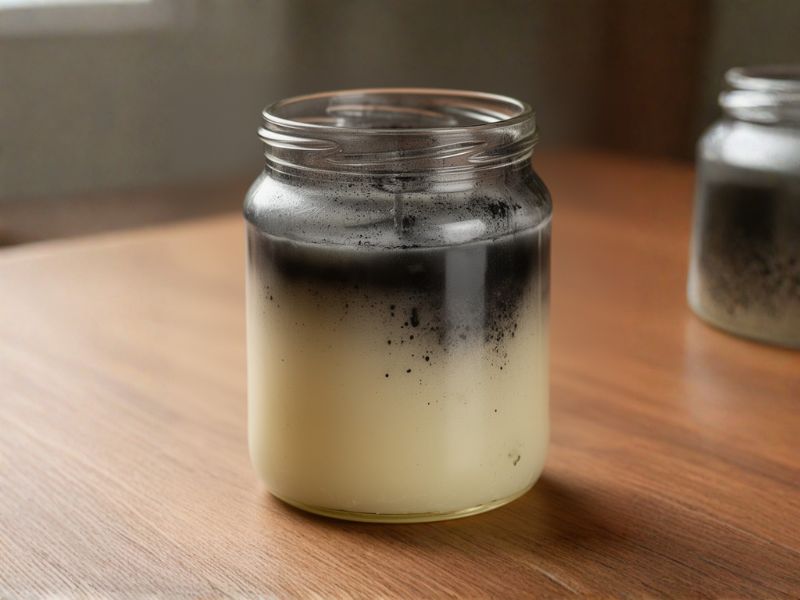
Paraffin candles also tend to produce more soot, which you may notice as dark residue near the jar rim or on nearby walls.
From an environmental standpoint, paraffin is petroleum derived, which means it is not renewable.
The upside?
They are usually the least expensive option and often the most powerful in terms of long lasting scent.
The tradeoff is air quality and sustainability.
This is where clean burning candles begin to matter.
2. Synthetic Fragrance and Phthalates
Fragrance is where things get murky.
The word “fragrance” on a label can legally represent dozens or even hundreds of undisclosed chemical compounds. Some synthetic fragrance blends may contain phthalates, which are often discussed in the context of endocrine disruption.
You will not see “phthalates” listed directly most of the time. You will see “fragrance.”
And here is something most people do not realize: The strongest, longest lasting scents are typically synthetic.
If you have ever lit a candle and could still smell it the next morning, it was likely formulated with synthetic fragrance oils designed for high scent throw.
Essential oil based candles tend to have a softer, more subtle aroma. They may not fill an entire open concept space. They are gentler.
Some people prefer that. Some do not.
Again, this does not mean every scented candle is harmful. It does mean transparency matters.
If a brand does not clearly state “phthalate free” or cannot tell you what is in their fragrance blend, that is worth noting.
3. Wicks and Hidden Materials
Most reputable candles now use cotton or wood wicks, which is ideal. Older candles historically contained lead core wicks, which have been banned in the United States, but imported products may not always meet the same standards.
It is a small detail. But clean living often lives in the small details.
How Candle Ingredients Can Affect Your Health
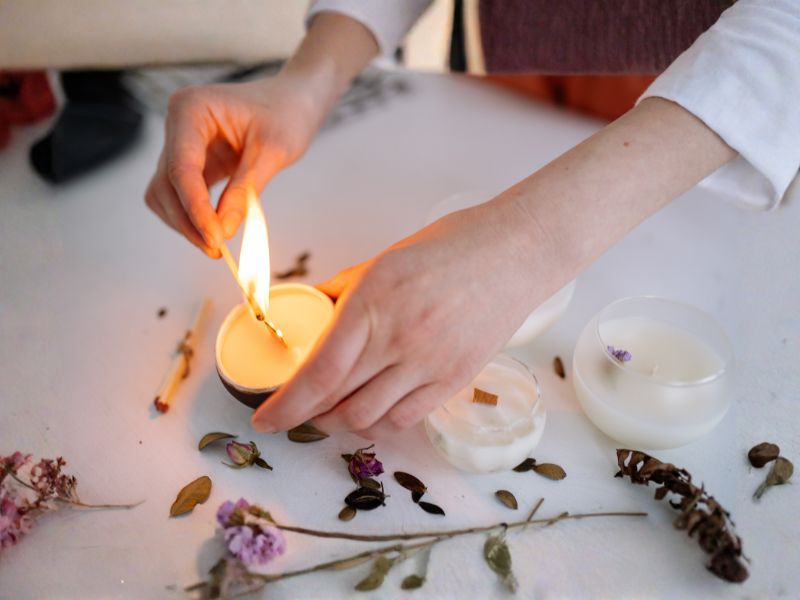
Let’s connect the dots here.
When a candle burns, it releases particles into the air. In a well ventilated space, the impact may be minimal. In tightly sealed homes, especially in cooler months when everything is closed up, exposure increases.
Here is what that can mean:
- Indoor air quality changes
- Respiratory irritation for sensitive individuals
- Headaches or migraines triggered by strong fragrance
- Asthma flare ups in susceptible people
- Eye irritation
- Hormone disruption concerns when exposure to certain phthalates is frequent and cumulative
Notice the word cumulative.
Clean living is rarely about one exposure. It is about patterns over time.
If you burn candles daily or frequently in an enclosed room, the ingredient quality becomes more relevant than if you light one occasionally during the holidays.
Soy vs Paraffin vs Beeswax: What Is Actually Safer?
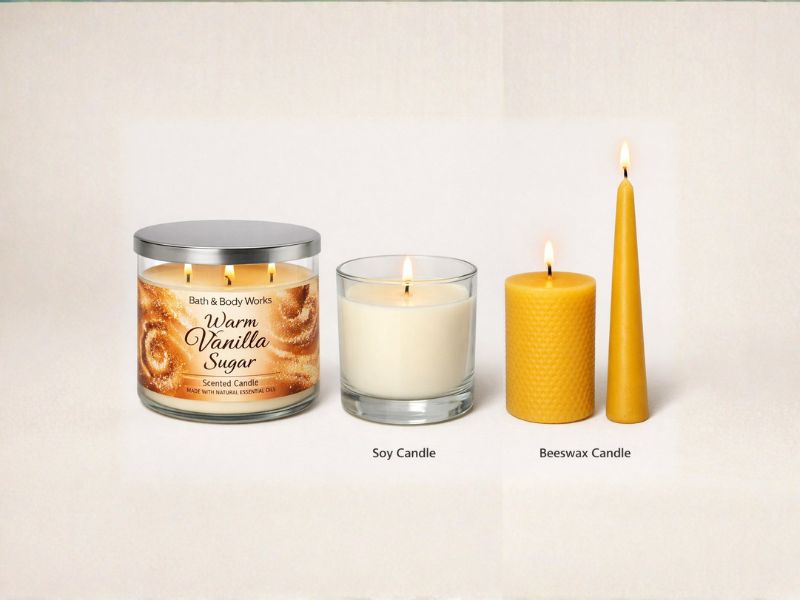
This is where most people get confused.
Marketing has convinced us that “soy” automatically means clean and “natural” automatically means safe. That is not always true. The sourcing, additives, and fragrance still matter.
Let’s break it down clearly.
Paraffin Candles
- Strongest scent throw
- Least expensive
- Petroleum based
- Higher soot production
- Not renewable
Best for people prioritizing cost and bold fragrance. Lowest from a clean air and sustainability lens.
Soy Candles
- Derived from soybeans
- Burns cleaner than paraffin
- Moderate to strong scent throw, depending on fragrance type
- Renewable resource
- Vegan
Soy is often positioned as the middle ground. It is plant based and typically produces less soot than paraffin.
However, most soy candles are still blended with synthetic fragrance oils unless otherwise stated. So ingredient transparency still matters.
Environmentally, soy is renewable, but large-scale soy farming does come with agricultural impact.
From a cost perspective, soy candles are usually moderately priced.
Beeswax Candles
- Natural wax produced by bees
- Very low soot
- Minimal VOC emissions
- Often lightly scented or unscented
- Not vegan
- Typically the most expensive
Beeswax tends to burn the cleanest and longest. The scent is subtle unless essential oils are added.
If you are looking for the strongest fragrance experience, beeswax may feel underwhelming. If you are focused on air quality, it is often considered the gold standard.
Because beeswax is an animal byproduct, it is not vegan. For those who prioritize vegan products, soy is usually the preferred alternative.
Cost wise, beeswax candles are typically the most expensive due to sourcing and production.
Quick Comparison: Wax, Scent, Cost, Environment, Vegan
| Feature | Paraffin Candles | Soy Candles | Beeswax Candles |
| Wax Source | Petroleum byproduct | Soybeans | Natural beeswax |
| Air Quality | Higher soot and VOC potential | Cleaner than paraffin | Cleanest burn with very low soot |
| Fragrance Type | Often synthetic | Synthetic or essential oil | Often unscented or essential oil |
| Burn Time | Moderate | Longer than paraffin | Longest |
| Scent Strength | Strongest and longest lasting | Moderate to strong | Subtle unless added oils |
| Cost | Lowest | Mid range | Highest |
| Best For | Budget buyers | Balanced option | Clean air focused homes |
| Clean Living Rating | Low | Medium, depends on fragrance | High |
There is no perfect option. There are tradeoffs.
The key is knowing what you are choosing.
How to Tell If a Candle Is Truly Non Toxic
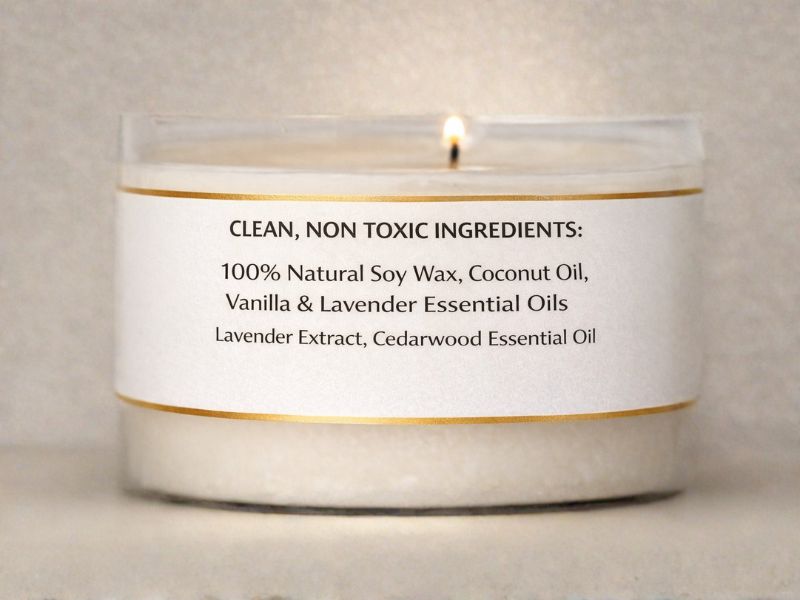
Here is the simple filter I use.
Look for:
- 100 percent soy wax or beeswax
- Phthalate free or fully disclosed fragrance
- Essential oil based scent if possible
- Cotton or wood wick
- Transparent ingredient listing on website
- Clear sourcing information
If the brand is vague, that is information too. Transparency is a form of trust.
And here is the honest part.
If you love a strong, room filling scent, you may have to accept that essential oil candles will feel softer.
If you are deeply committed to vegan products, beeswax is off the table.
If budget matters right now, paraffin may be what fits.
Clean living is not about perfection. It is about making the best choice within your current priorities.
The Pure Living Filter
At Pure Living Holistic, we are not interested in fear based wellness.
We are interested in helping you ask better questions and make informed choices.
Most of us grew up with paraffin candles. Many of us still own them. This is not about guilt. It is about awareness.
When we feature or curate vendors, products, or brands, ingredient transparency matters. If a brand cannot clearly articulate what is inside their product, that is a red flag for us.
Clean living is not about perfection. It is about reducing unnecessary exposure where we can.
And indoor air is one of the most overlooked parts of that equation.
So the next time you light a candle, you do not need to panic.
Just flip it over.
Read the label.
Ask better questions.
That is how sustainable change actually happens.
Frequently Asked Questions About Scented Candles and Indoor Air Quality
Are scented candles bad for indoor air quality?
Some candles, especially those made with paraffin wax and synthetic fragrance, can release small amounts of VOCs that may affect indoor air quality in poorly ventilated spaces.
Are soy candles non toxic?
Soy candles burn cleaner than paraffin, but the safety depends on the fragrance ingredients used. Look for phthalate free or essential oil based options.
What are the safest candles for home use?
Beeswax candles and high-quality soy candles made with essential oils and cotton or wood wicks are generally considered the safest options.